Pond Filter Innovations: What Advanced Koi Keepers Expect From Modern Filtration
September 11, 2026
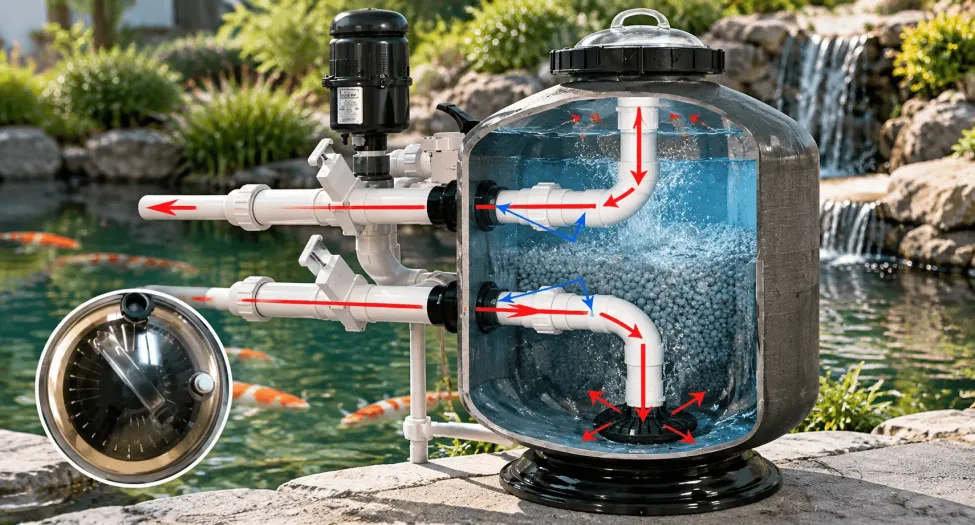
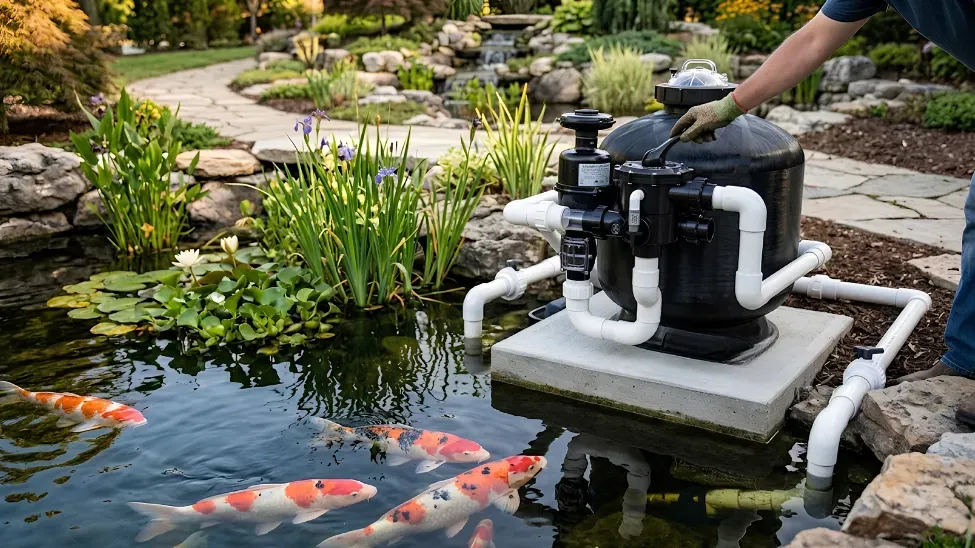
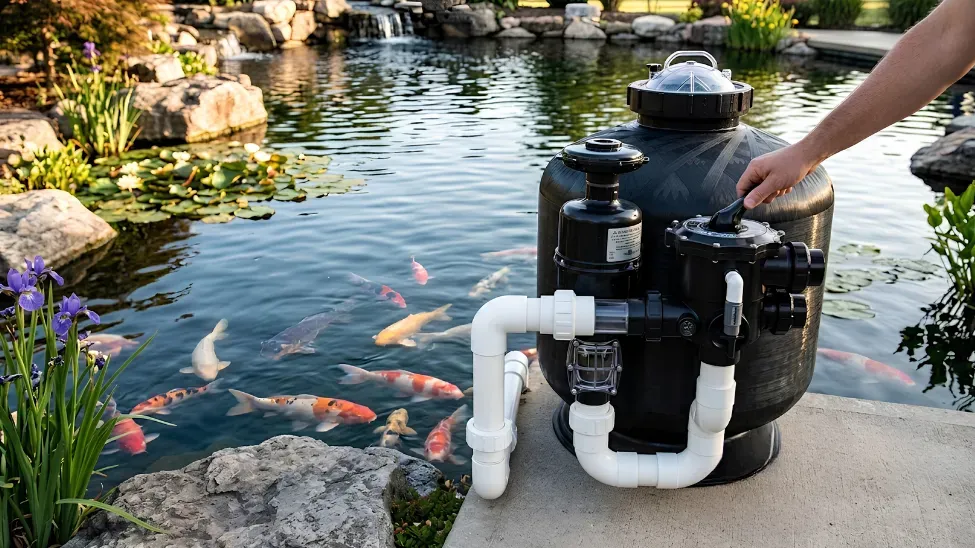
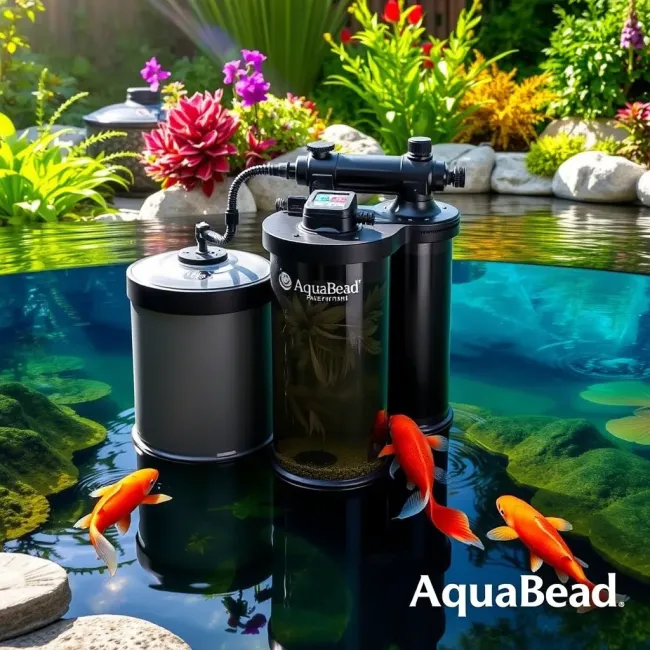
Modern koi keeping has changed significantly over the years. Pond owners are no longer looking for filtration solutions that only remove visible debris. Today’s advanced koi keepers expect a pond filter to deliver consistent water quality, support fish health, reduce maintenance requirements, and work efficiently as part of a complete pond ecosystem. As koi grow and ponds become more established, filtration demands increase. Larger fish populations, higher feeding levels, and greater expectations for crystal-clear water require more advanced solutions than traditional filtration methods can provide. A modern pond filter is now designed around multiple performance factors, including mechanical waste removal, biological filtration, efficient water flow, easy maintenance, and long-term reliability. Systems such as AquaBead Filters from GC Tek represent this shift by combining advanced filtration technology with practical features designed for demanding koi pond environments.
Understanding how pond filtration technology has evolved can help pond owners choose equipment that supports healthier fish and more stable water conditions.
How Pond Filter Technology Has Changed Over Time?
In the past, many pond filtration systems focused primarily on removing visible debris from the water. While mechanical filtration remains an important part of maintaining a pond, modern koi keepers understand that successful filtration requires more than simply capturing waste particles. Koi ponds create a unique challenge because koi produce a significant amount of organic waste compared to many other pond fish. As koi grow and feeding increases, the filtration system must process a larger biological load while maintaining stable water conditions.
This has led to the development of more advanced pond filtration approaches that combine multiple functions into one efficient system. Modern filtration designs focus on removing solid waste, supporting beneficial bacteria, improving water circulation, and making routine maintenance easier. Today, selecting a pond filter is not only about matching pond size. Advanced pond owners consider the complete filtration performance and how well the system supports the long-term health of their koi.
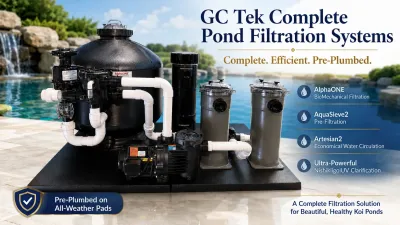
For pond owners planning a complete setup, understanding how different components work together is essential. A complete koi pond filtration approach includes proper filter selection, pump compatibility, water movement, and biological support. You can also read our complete koi pond filter system setup guide for more information on building an effective filtration setup.
Why Advanced Koi Keepers Expect More From a Pond Filter
Experienced koi keepers understand that water clarity is only one part of successful pond management. A pond can appear clean while still having problems related to waste buildup, biological imbalance, or insufficient filtration capacity. A modern pond filter should help maintain a stable environment by handling both visible and invisible challenges within the pond. Advanced koi keepers typically look for filtration systems that provide:
- Effective mechanical waste removal
- Strong biological filtration support
- Reliable operation throughout the year
- Easy cleaning and maintenance
- Compatibility with different pond designs
- Capacity for changing fish loads
The best filtration systems are designed to support the entire pond ecosystem rather than simply treating individual water quality problems. This system-based approach is why many pond owners are moving toward complete filtration solutions instead of combining unrelated equipment. A properly designed pond filter system allows different components to work together more effectively.
Innovation 1: Combining Mechanical and Biological Filtration
One of the biggest improvements in modern pond filtration is the combination of mechanical and biological filtration within a single system. Mechanical filtration focuses on removing solid waste such as fish waste, uneaten food, leaves, and organic particles before they break down in the pond. Removing these materials early helps reduce the amount of waste that can affect water quality. Biological filtration performs a different but equally important role. Beneficial bacteria colonize the filter media and help process harmful compounds produced through fish waste. This biological activity supports a healthier and more balanced pond environment.
Modern koi keepers expect a pond filter to provide both functions because relying on only one type of filtration can limit overall performance. AquaBead Filters are designed around this combination of mechanical and biological filtration. Their bead filtration approach allows the filter media to capture waste while also providing a surface area where beneficial bacteria can establish.
Innovation 2: Improved Waste Removal and Easier Filter Maintenance
Maintenance has always been one of the biggest considerations for pond owners. While every filtration system requires some level of care, modern designs focus on making maintenance easier and more efficient. Advanced koi keepers want filtration systems that remove collected waste effectively without requiring complicated cleaning routines. The AquaBead filtration range includes the Omnifuser Design, which helps direct collected solids toward the center of the filter. This design supports a more efficient backwashing process by improving waste removal and helping maintain consistent filtration performance.
A well-designed pond filter should not eliminate maintenance completely. Instead, it should make maintenance predictable, simple, and effective. This focus on easier maintenance is one reason bead filtration has become popular among serious koi keepers who want reliable performance without excessive manual work.
Innovation 3: Protecting Beneficial Bacteria During System Interruptions
Biological filtration depends on maintaining healthy populations of beneficial bacteria. Any disruption to water flow or oxygen supply can affect biological activity inside a filtration system. Advanced filtration technology now considers how to protect biological performance during temporary interruptions. GC Tek AquaBead Filters include the AquaBead Life Support System (ALISS), which is designed to help maintain beneficial bacteria during situations such as pump interruptions or temporary system bypasses. Maintaining biological stability is especially important for koi ponds because sudden changes in water conditions can create stress for fish. A modern pond filter is not only expected to clean water. It should also help maintain the biological balance required for a healthy pond ecosystem.
Innovation 4: Advanced Filter Media for Better Biological Support
The effectiveness of biological filtration depends greatly on the quality and design of the filter media. A good filter media should provide enough surface area for beneficial bacteria while also supporting efficient water movement through the filtration chamber. AquaBead Filters use BioGems media, which is designed to support biological filtration by providing space for beneficial bacteria to colonize. This allows the filtration system to continue supporting the nitrogen cycle while helping maintain more stable pond conditions. For koi keepers managing larger fish loads or heavily stocked ponds, biological filtration capacity is one of the most important factors when selecting a pond filter.
Innovation 5: Pond Filter Designs Built for Different Pond Requirements
Not every pond has the same filtration requirements. A small ornamental pond and a heavily stocked koi pond may require completely different levels of filtration performance. Modern pond filtration focuses on providing different solutions based on pond size, fish population, water volume, and maintenance expectations. GC Tek offers a range of AquaBead Filters designed for different pond applications, including:
This range allows pond owners to select a filtration option that matches their specific requirements rather than relying on a single standard solution. Choosing the right pond filter depends on understanding the pond as a complete environment, including fish load, circulation needs, and future growth.
Why Bead Filtration Continues to Gain Popularity Among Koi Keepers?
Bead filtration has become a preferred choice for many koi pond owners because it combines effective waste removal with biological support in a compact design. Unlike some traditional filtration methods that require large installation areas, bead filters can provide strong filtration performance while keeping the system relatively efficient and manageable. The popularity of bead filtration comes from several advantages:
- Strong mechanical filtration performance
- Biological filtration support
- Easier cleaning through backwashing
- Compact installation requirements
- Suitable performance for koi ponds
For serious koi keepers, a pond filter needs to provide consistent results over time. Bead filtration technology continues to evolve because it addresses many of the challenges faced by modern pond owners.
What Advanced Koi Keepers Look For When Choosing a Pond Filter
Selecting a pond filter requires more than choosing equipment based only on pond gallons. Experienced pond owners consider how the entire system will perform over time. Important considerations include:
- Filtration Capacity:
The system should handle the current fish load while allowing room for future growth.
- Maintenance Requirements:
A good filtration system should make cleaning easier and more efficient.
- Biological Performance:
The filter should provide enough support for beneficial bacteria to maintain stable water conditions.
- System Compatibility:
The filter should work properly with pumps, plumbing, and the overall pond design.
- Long-Term Reliability:
Quality construction and dependable operation are important for equipment that runs continuously.
These factors help ensure that the chosen pond filter supports both water quality and fish health.
The Future of Pond Filter Technology
The pond filtration industry continues to move toward systems that are more efficient, reliable, and easier to manage. As koi keeping becomes more advanced, pond owners are expecting filtration solutions that provide better performance while reducing maintenance demands. Future pond filter technology is expected to focus on areas such as improved energy efficiency, better automation, easier cleaning processes, more advanced biological support, and complete system integration. These improvements are helping create filtration systems that are not only more effective but also easier to operate and maintain over time.
Modern filtration is no longer only about removing waste from the water. It is about creating a stable ecosystem where beneficial bacteria, water quality, circulation, and fish health work together. As technology continues to improve, pond owners can expect smarter and more efficient filtration solutions that deliver reliable performance while making long-term pond care simpler.
Why Choose AquaBead Filters From GC Tek?
Choosing the right pond filter is an important decision for maintaining long-term pond health. GC Tek AquaBead Filters are designed for pond owners who need reliable mechanical filtration, biological support, and practical maintenance features. With technologies such as the Omnifuser Design, ALISS, and BioGems media, AquaBead Filters are built to support demanding koi pond environments. Whether maintaining a backyard koi pond or a larger professional-style setup, AquaBead provides filtration options designed around different pond requirements. For pond owners looking for dependable filtration performance, easier maintenance, and a system designed for long-term reliability, AquaBead Filters provide a modern approach to pond filtration.
FAQs
1. What makes a modern pond filter different from traditional filtration systems?
Modern pond filters are designed to provide more than basic waste removal. They combine mechanical filtration, biological support, efficient cleaning methods, and improved system compatibility to create a more balanced pond environment.
2. Why do koi ponds need advanced pond filtration?
Koi produce significant waste compared to many other pond fish. Advanced filtration helps manage this waste, support beneficial bacteria, and maintain stable water conditions as fish grow and feeding increases.
3. Are bead filters effective for koi ponds?
Yes, bead filters are widely used in koi ponds because they provide mechanical waste removal while also supporting biological filtration. Their efficient cleaning process makes them a practical option for many koi keepers.
4. How does AquaBead improve pond filtration performance?
AquaBead Filters combine bead filtration technology with features such as the Omnifuser Design, ALISS, and BioGems media to support waste removal, biological activity, and easier maintenance.
5. What factors should be considered when choosing a pond filter?
Important factors include pond size, fish population, feeding levels, water flow requirements, maintenance expectations, and future pond growth.
6. How does a pond filter system support koi health?
A properly designed filtration system helps maintain cleaner water, reduces harmful waste buildup, supports beneficial bacteria, and creates more stable conditions for koi.