Pond Filter System Performance Checklist: 10 Things To Evaluate Before Replacing Your Filter
September 09, 2026
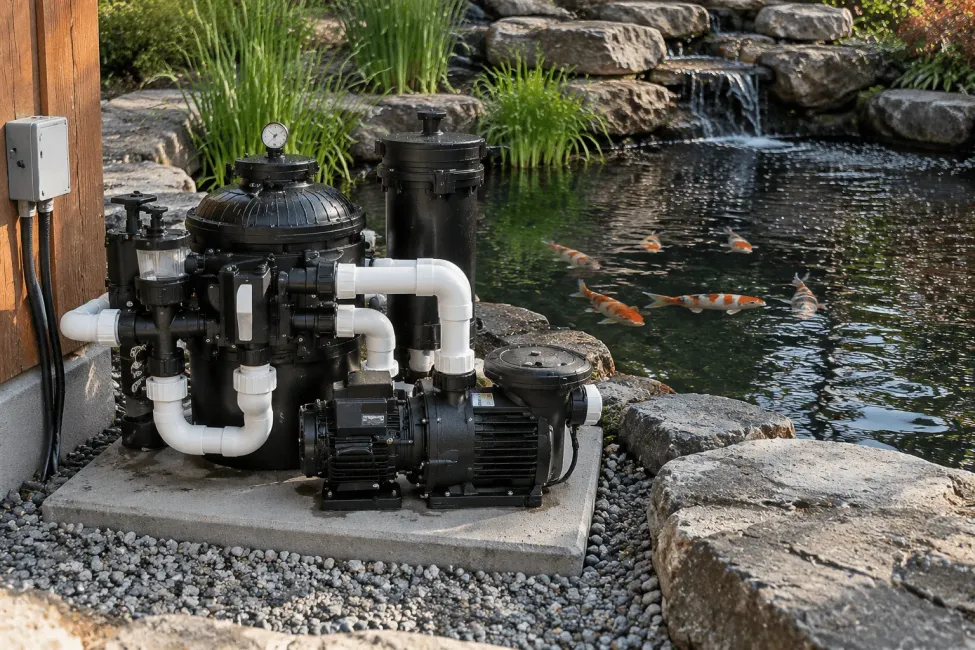
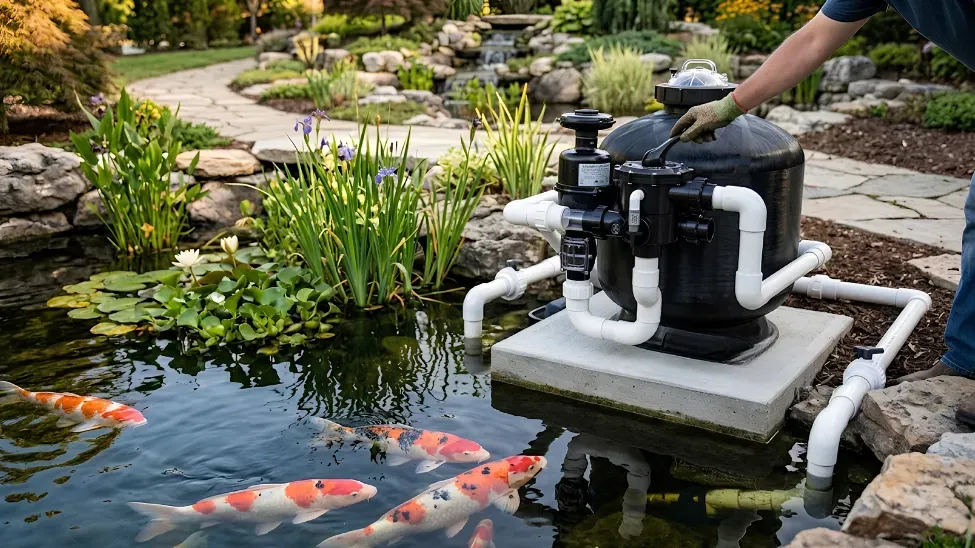
A pond filter system plays a major role in maintaining clear water, supporting healthy fish, and keeping the pond ecosystem balanced. However, many pond owners continue using the same filtration setup even after their pond conditions have changed. As fish grow, feeding increases, plants mature, and organic waste levels rise, the demands placed on filtration equipment also increase. Before replacing your filter, it is important to understand whether the problem is actually with the equipment or whether another part of the pond setup needs attention. A properly selected and maintained pond filter system should efficiently remove waste, support beneficial bacteria, and maintain stable water conditions with manageable maintenance.
For pond owners considering an upgrade, systems such as GC Tek AquaBead pond filter systems provide an example of how modern filtration combines mechanical and biological filtration to handle different pond requirements. Evaluating your current system first can help you choose the right solution instead of replacing equipment without addressing the actual cause of performance issues.
This checklist covers the important factors to review before investing in a new filtration system.
Why You Should Evaluate Your Pond Filter System Before Replacing It?
Replacing a pond filter is a significant decision, especially for koi ponds and larger water features where filtration equipment represents a major part of the overall setup. A filter that appears to be underperforming may sometimes have issues related to pump sizing, maintenance routine, plumbing, or increased biological load rather than the filter itself. A pond filter system should always be evaluated based on the current condition of the pond, not only the original installation requirements. Many pond owners install equipment when their fish are small and the pond is newly established. Several years later, the same system may be handling a completely different environment.
Some important changes that can affect filtration performance include:
- Larger and more numerous fish
- Increased feeding schedules
- More organic debris entering the pond
- Changes in water circulation
- Additional pond features or expansions
Understanding these changes helps determine whether your current system needs better maintenance, additional support equipment, or a complete replacement.
1. Evaluate Your Pond Water Quality and Filtration Results
Water quality is one of the strongest indicators of whether your filtration system is performing properly. A healthy pond should maintain clear water, stable conditions, and an environment where fish can thrive. When water quality starts declining, the filtration system should be one of the first areas you evaluate. Many pond owners focus only on visible clarity, but water quality involves much more than appearance. A pond can look acceptable while still experiencing issues with waste accumulation, biological imbalance, or inefficient filtration.
Signs that your current pond filter system may not be keeping up include:
- Cloudy or consistently green water
- Increased algae growth
- Organic waste collecting around the pond
- Poor water circulation
- Fish showing signs of stress
These issues do not always mean the filter has failed, but they indicate that the entire filtration setup should be reviewed. The filter capacity, pump performance, and biological filtration ability all contribute to maintaining proper pond conditions.
2. Check Whether Your Filter Matches Your Pond’s Current Requirements
One of the most common reasons pond filtration systems struggle is that the equipment no longer matches the pond’s current needs. A filter selected years ago may have been suitable at the time but may not provide enough capacity after changes in the pond. This is especially common with koi ponds. Koi produce significant waste, and their biological impact increases as they grow. A pond with a few young koi can have very different filtration requirements compared to the same pond several years later with mature fish.
When evaluating your system, consider more than just pond size. The right filtration capacity depends on several factors, including the total pond volume, the number and size of fish, feeding levels, and the amount of organic debris entering the water. Each of these factors affects the workload placed on your filtration system and determines how effectively it can maintain water quality over time. A pond filter system should provide enough capacity to handle current conditions while also allowing room for future growth. Choosing equipment based only on today's needs can result in another upgrade becoming necessary later.
3. Review How Often Your Filter Requires Cleaning
Maintenance is a normal part of pond ownership, but excessive maintenance can indicate that the filtration system is not operating efficiently. A properly designed filtration system should make routine pond care easier. If you constantly find yourself cleaning the filter, dealing with reduced flow, or performing additional water changes, it may be time to evaluate whether the system is suitable for your pond. Frequent cleaning problems can happen when:
- The filter does not have enough waste-handling capacity
- Mechanical filtration becomes overloaded
- The pond has a higher biological load than expected
- The cleaning process is inefficient
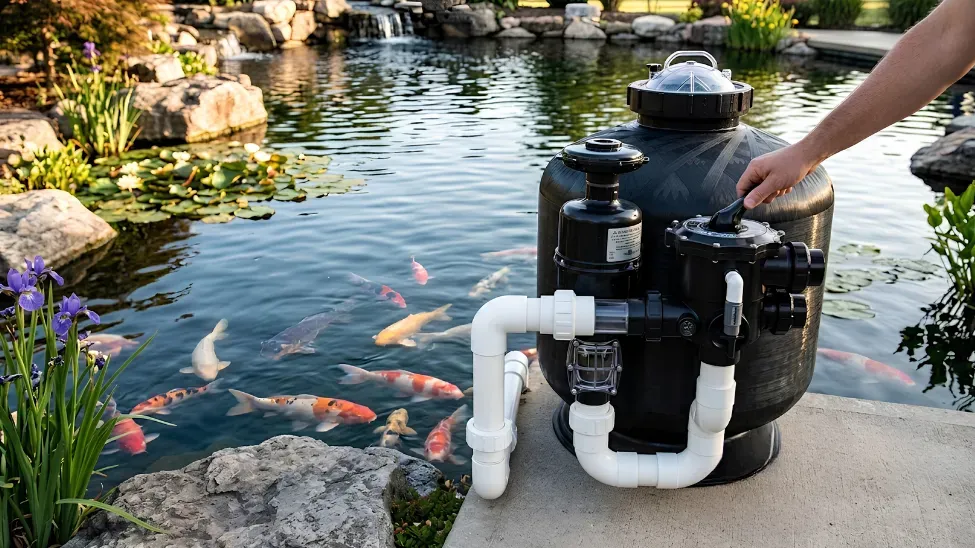
Modern bead filtration systems are designed to simplify maintenance through effective backwashing processes. GC Tek AquaBead systems, for example, use features such as the Omnifuser design to help move collected solids toward the center of the filter for more efficient cleaning cycles. The goal of a good filtration system is not to eliminate maintenance completely. Instead, it should make maintenance predictable, simple, and effective.
4. Examine Mechanical Filtration Performance
Mechanical filtration is responsible for removing solid waste before it breaks down and affects water quality. This includes fish waste, uneaten food, leaves, and other organic particles that enter the pond. When mechanical filtration is working correctly, waste is captured and removed before it creates additional problems. However, an inefficient system may allow debris to remain suspended in the water or accumulate in areas where it continues affecting the pond environment. A quality pond filter system should provide consistent solid waste removal while maintaining proper water flow.
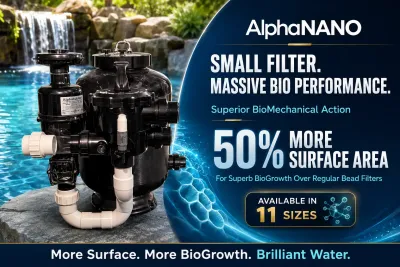
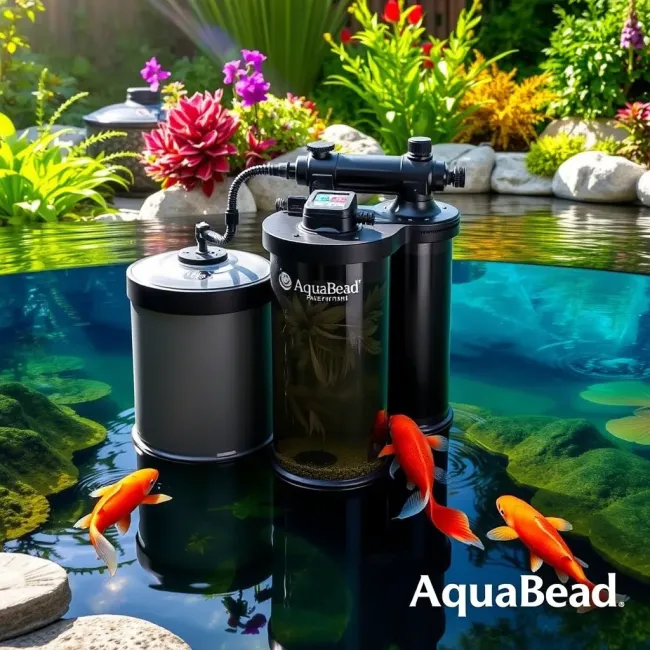
GC Tek AquaBead filtration systems use bead media designed to capture debris while also providing space for beneficial bacteria. This combination allows one filtration system to support both mechanical and biological processes. When reviewing your existing filter, ask whether it is effectively removing waste or simply moving debris around the pond.
5. Evaluate Biological Filtration Capacity
Mechanical filtration improves water clarity, but biological filtration is essential for maintaining a healthy pond ecosystem. Fish waste produces ammonia, which can become harmful if beneficial bacteria are not available to process it. A strong biological filtration system provides enough surface area for these bacteria to establish and continue supporting the nitrogen cycle. As fish populations increase, biological demand also increases. A filter that once maintained stable water conditions may eventually struggle because the pond produces more waste than the biological media can handle.
GC Tek incorporates BioGems media into its AquaBead filtration approach to provide surface area for beneficial bacteria. The AquaBead Life Support System (ALISS) is also designed to help maintain bacterial life during situations such as pump interruptions or maintenance periods.
When replacing a filtration system, biological capacity should be considered just as important as water clarity.
6. Check Your Pump and Pond Filter System Compatibility
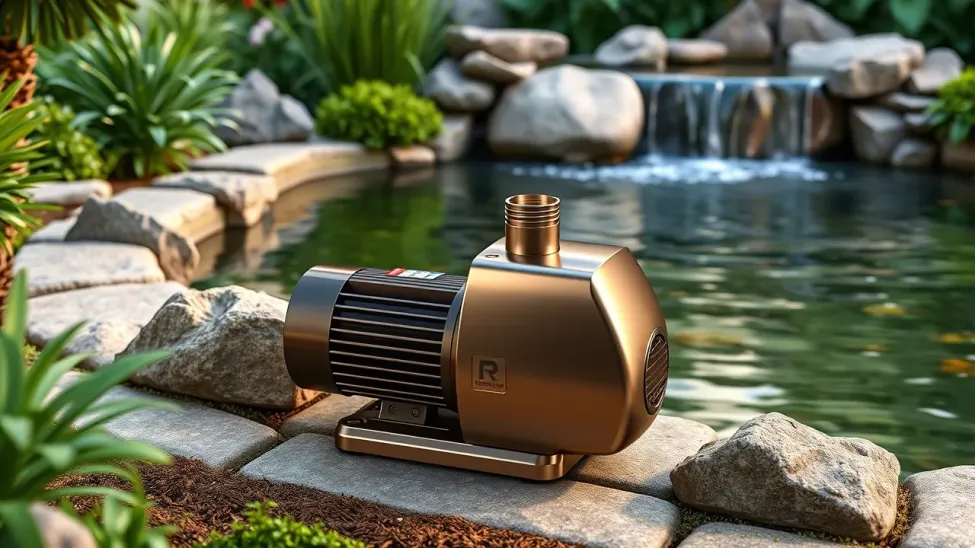
A pond filter system does not work independently. The filter, pump, plumbing, and overall pond design must work together to achieve proper water circulation and filtration performance. Many filtration problems are not caused by the filter itself but by a mismatch between the pump and filtration equipment. For example, a pump that moves water too quickly may reduce filtration efficiency, while insufficient flow may prevent the filter from processing the pond water effectively. Before replacing your filter, evaluate whether your current pump is providing the correct flow rate for the system. Important factors to review include:
- Pump flow capacity
- Pipe diameter
- Distance between pond and filtration equipment
- Required water turnover rate
- Filter flow limitations
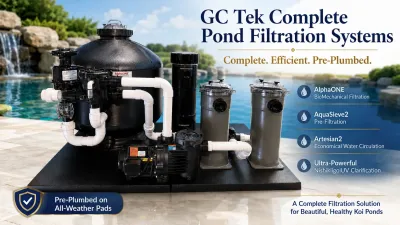
A complete evaluation helps determine whether replacing only the filter will solve the problem or whether the entire filtration setup needs adjustment. GC Tek’s complete pond filtration systems are designed with compatibility in mind, combining filtration components with suitable equipment options to create balanced pond solutions. Their range includes systems designed for different pond sizes and applications, including water gardens and larger koi ponds.
7. Inspect the Physical Condition of Your Existing Filter
Before deciding to replace a pond filter system, inspect the actual condition of your current equipment. A filter may still perform well for many years if it has been properly maintained, while another system may show signs of wear much earlier depending on usage and environmental conditions. Look closely at the filter body, valves, connections, and internal components. Small issues may sometimes be repaired, but repeated problems can indicate that replacement is a better long-term choice. Common signs that your filter may need replacement include:
- Cracks or visible damage to the filter housing
- Leaking connections
- Valve problems
- Reduced filtration performance
- Difficulty maintaining proper water flow
It is also important to consider the availability of replacement parts. A system that is difficult to repair or no longer supported may create additional maintenance challenges in the future. A new pond filter system should not only improve current performance but also provide reliable operation for years ahead.
8. Consider Energy Efficiency and Long-Term Operating Costs
A filtration system typically operates continuously, which means energy consumption becomes an important part of long-term pond ownership. A system that performs well but requires excessive power may create unnecessary operating costs over time. When reviewing your current setup, consider whether your equipment is providing the right balance between performance and efficiency. A more efficient filtration system can help maintain proper circulation with suitable energy usage, reduce unnecessary maintenance, improve overall system performance, and support stable water quality. Modern pond filtration solutions often combine multiple functions into complete systems instead of requiring pond owners to connect separate components from different manufacturers.
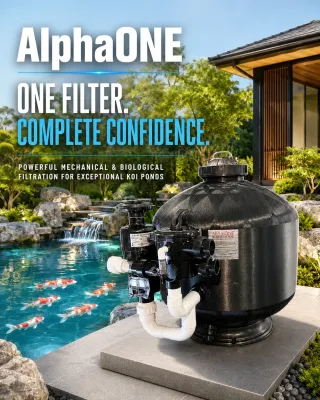
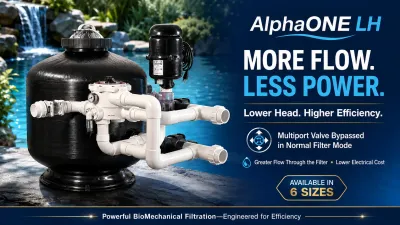
GC Tek offers complete pond filter systems designed around different pond requirements. Their WattMizer and AlphaONE-based systems are examples of setups created for owners looking for integrated filtration solutions rather than individual equipment upgrades. When comparing replacement options, it is important to consider the total ownership cost, not just the initial purchase price.
9. Think About Your Pond’s Future Growth Before Choosing a Replacement
One of the biggest mistakes pond owners make is selecting a new filter based only on their current situation. A pond is a living environment, and its requirements can change significantly over time. Koi continue growing, fish populations may increase, and feeding levels often change as owners become more involved in pond keeping. A filtration system that barely meets today's requirements may become insufficient in the future. When choosing a replacement pond filter system, think about:
- Future fish growth
- Possible additions to the pond
- Increased feeding levels
- Long-term maintenance goals
Investing in a system with suitable capacity can prevent another replacement later. It is usually better to select equipment that provides room for future changes rather than operating a filter constantly at its maximum capability. A well-planned filtration system should support your pond not only today but also several years from now.
10. Compare Complete Pond Filter Systems Instead of Replacing Individual Parts
Many pond owners focus on replacing a single component when filtration problems occur, but evaluating the complete filtration setup can often provide better long-term results. A complete pond filter system is designed to ensure that different parts of the setup work together effectively, including mechanical filtration, biological filtration, water circulation, pump performance, and overall maintenance requirements. This approach helps create a more balanced pond environment instead of only addressing one specific issue. GC Tek provides complete filtration solutions for different pond applications, including systems such as PondKeeper for water garden setups and larger WattMizer PLUS PRO systems designed for more demanding pond requirements.
Choosing a complete filtration solution can simplify installation, improve compatibility between components, and help ensure more reliable performance over time.
Signs It May Be Time to Upgrade Your Pond Filter System
Not every older filter needs replacement. Some systems continue performing well for many years with proper care. However, an upgrade may be worth considering when your current equipment no longer supports your pond’s needs. You may need to consider replacing your filtration system if:
- Water quality continues declining despite proper maintenance
- Your filter requires constant cleaning
- Your fish population has increased significantly
- The system cannot handle current waste levels
- Repairs are becoming frequent
- Replacement parts are becoming difficult to find
Before making the final decision, review the entire pond setup. Sometimes improving circulation, adjusting maintenance routines, or adding supporting equipment can improve performance. However, if the filter itself has become a limitation, upgrading can provide better long-term results.
Why Choose AquaBead and GC Tek Pond Filter Systems?
Selecting a pond filter system is a long-term investment, so reliability and performance should be the main priorities. A filtration system should not only improve water clarity but also create a stable environment where fish can remain healthy. GC Tek’s AquaBead filtration systems are designed around the needs of pond owners who require effective mechanical and biological filtration. The systems use bead filtration technology to capture waste while providing space for beneficial bacteria. Features such as the Omnifuser design help improve cleaning efficiency, while BioGems media supports biological filtration. The AquaBead Life Support System (ALISS) is designed to help maintain beneficial bacteria during periods when normal operation is interrupted.
GC Tek also offers different filtration options depending on pond size and requirements, allowing pond owners to select equipment based on their specific setup rather than using a one-size-fits-all approach. For pond owners looking for reliable filtration, easier maintenance, and systems designed specifically for demanding pond environments, AquaBead and GC Tek provide solutions worth considering.
FAQs
1. How do I know if my pond filter system needs to be replaced?
A pond filter system may need replacement when it can no longer maintain water quality, requires frequent cleaning, struggles with increased fish waste, or no longer matches the pond’s current requirements. Before replacing it, review the complete setup to identify the actual cause of performance issues.
2. Can a pond filter system become too small for a growing koi pond?
Yes. As koi grow and fish populations increase, the amount of waste produced also increases. A filtration system that worked when the pond was first installed may not provide enough mechanical and biological filtration capacity for a mature koi pond.
3. What factors should I evaluate before replacing my pond filter system?
Before upgrading, consider your pond size, fish load, feeding levels, water quality, cleaning frequency, pump compatibility, and future growth plans. Evaluating these factors helps you choose a system that can support your pond long term.
4. Why is my pond filter system requiring frequent cleaning?
Frequent cleaning can indicate that the filter is overloaded, the pond has a higher biological load, or the system is not properly matched to the pond. A well-designed filtration system should make maintenance easier and more predictable.
5. Should I replace my entire pond filter system or only upgrade individual components?
The right choice depends on the condition of your current setup. Sometimes improving pumps, plumbing, or maintenance routines can solve performance issues. However, if the filtration system cannot handle your pond’s needs, upgrading to a complete system may provide better long-term results.
6. Why is pump compatibility important for a pond filter system?
The pump, filter, and plumbing must work together to achieve proper water circulation and filtration performance. An incorrect flow rate can reduce filtration efficiency and prevent the system from maintaining stable water conditions.
7. What makes GC Tek AquaBead pond filter systems a good option?
GC Tek AquaBead systems combine mechanical and biological filtration with features such as Omnifuser Design, BioGems media, and ALISS to support efficient waste removal, beneficial bacteria, and easier maintenance.
8. How do I choose the right pond filter system for my pond?
The right system depends on pond volume, fish population, feeding habits, maintenance expectations, and future growth. Choosing a filter with suitable capacity helps maintain better water quality and avoids frequent upgrades later.